Buying used plant direct from another operator is usually the smartest way to get gear — you skip the dealer margin, you can inspect it working, and you often know the machine's history first-hand. What trips these deals up isn't the price or the finance. It's the paperwork. Specifically, the paperwork the seller doesn't have ready, because they've never had to produce it before.
A private-sale excavator file moves fast right up until settlement, then stalls while everyone chases a document that should have been sorted a week earlier. This is the list that stops that happening.
Why private sales need more, not less
When you buy from a dealer, the dealer handles the documentation — they do it every day, they have the systems, the invoice is clean and the ownership is clear. A private sale puts all of that on the seller, who typically hasn't sold a machine in years and has no idea what a financier needs to see.
That's the structural reason private sales feel harder than they should. The deal itself is simple. The administration is where it bogs down, because the seller is improvising paperwork they've never produced and the lender won't release funds until it's right. The good news: it's a known list. Get it sorted up front and the file runs as smoothly as a dealer purchase.
Lender appetite matters here too. The broker-market non-bank category handles private-sale plant files routinely — it's bread and butter for them. Tier 1 banks generally won't touch a private sale unless you're an existing customer, which is worth knowing before you waste a fortnight on the wrong application.
The paperwork the seller actually needs
Here's what the seller has to produce, and what most of them don't have ready.
- Proof of ownership. The seller has to show they actually own the machine outright — or, if there's finance still on it, exactly how much is owing. A machine with a payout figure attached is fine; a machine where nobody can say who owns it is not.
- A payout letter, if there's existing finance. This is the single most common stall. If the seller still owes money on the machine, the financier needs a formal payout figure from the existing lender so the debt can be cleared at settlement. Sellers routinely underestimate how long this takes to obtain. If the machine you're buying still has finance on it, the seller-still-owes situation has its own moving parts worth understanding before you commit.
- A tax invoice. Even between two businesses, a proper invoice with both ABNs, the GST position, the machine details and the price has to exist. A scrawled receipt won't release funds.
- Serial and identification numbers. The machine's serial number, year, make, model and hours — verified against the machine, not just quoted from memory. This is what the financier uses to confirm the asset exists and is worth what's being paid.
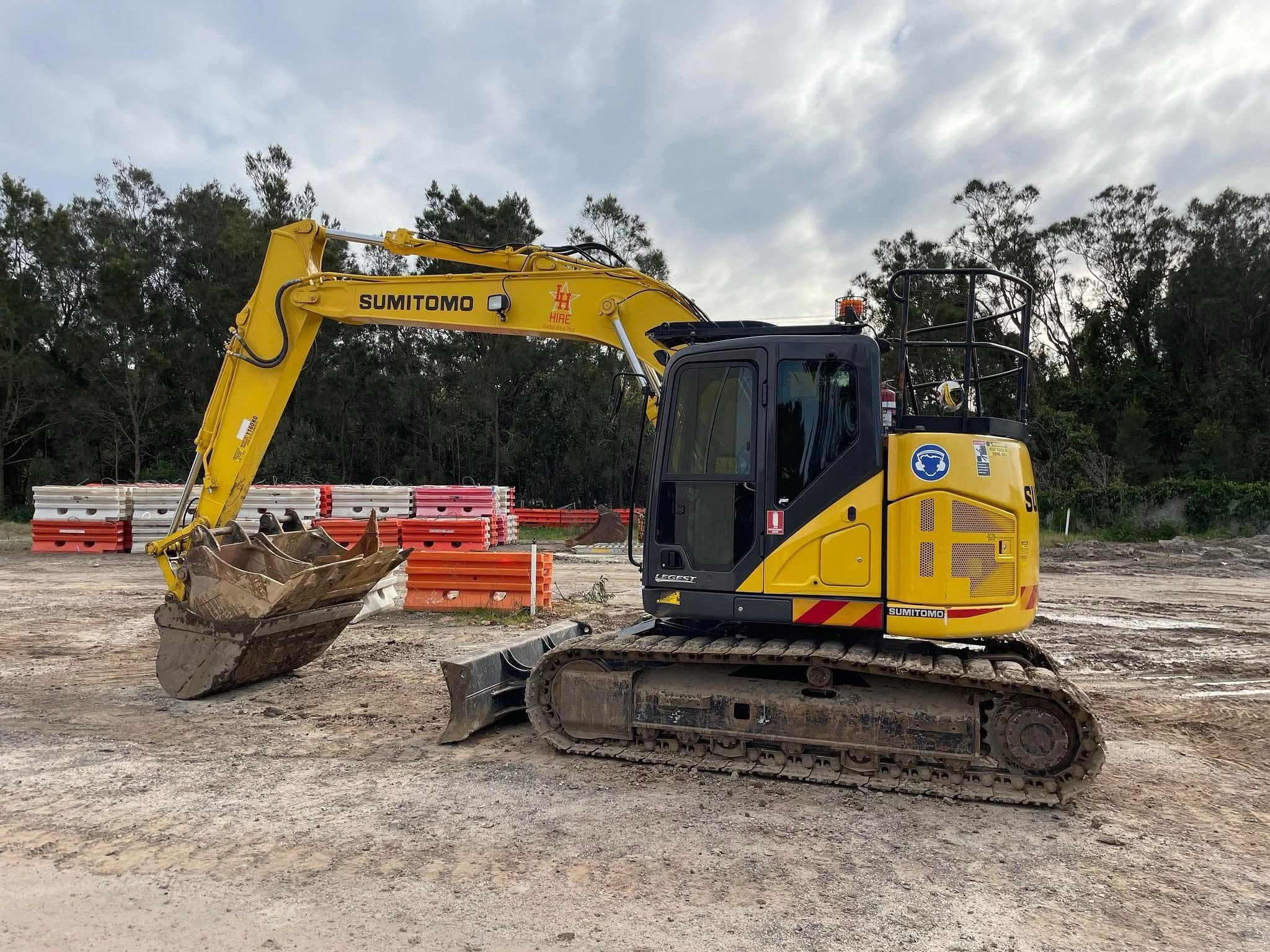
- Photos and condition evidence. Clear photos of the machine, the serial plate, the hour meter and any major attachments included in the sale. For private plant, the lender is relying on this far more than on a dealer's reputation.
None of this is exotic. It's just that a seller who hasn't moved a machine in five years has none of it to hand, and the time to discover that is before you've shaken hands, not the day before settlement.
Where private-sale files actually stall
The payout letter is the number-one cause of a stalled settlement, every time. The seller says the machine's paid off, the finance turns out to still be there, and the formal payout figure takes a week to come through. Ask the question early: is there any finance on this machine, and if so, can you get me a payout figure now.
The second is valuation. With a private sale, the lender can't lean on a dealer's pricing, so the asset has to stand on its own — serial, hours, condition, and a price that matches the market. Overpaying on a private sale isn't just a money problem; it can shrink the amount the financier will lend, leaving you to cover the gap. The same discipline that shapes a private-sale truck file applies to plant, and the underlying brand-and-credit lens on excavators still runs underneath it.
The third is GST and the invoice. Two operators agreeing a price over the phone is not a tax invoice. The financier needs the formal document with both ABNs and the GST treated correctly, and getting that wrong delays funds release.
Get ahead of it
A private-sale plant deal is a good deal made awkward by administration. The fix is entirely in the timing: ask the ownership and payout questions before you commit, get the serial and condition evidence early, and make sure a proper tax invoice exists. Do that and the file settles as cleanly as anything off a dealer floor.
If you've found a machine and want to know exactly what to ask the seller for, send the details through and we'll give you the list before you hand over a deposit. Start with a quote and we'll get the paperwork lined up.